How Cricket Became an International Fixture
Learn how cricket clubs, tours and representative matches turned local contests into international fixtures, and what to look for on a match calendar.
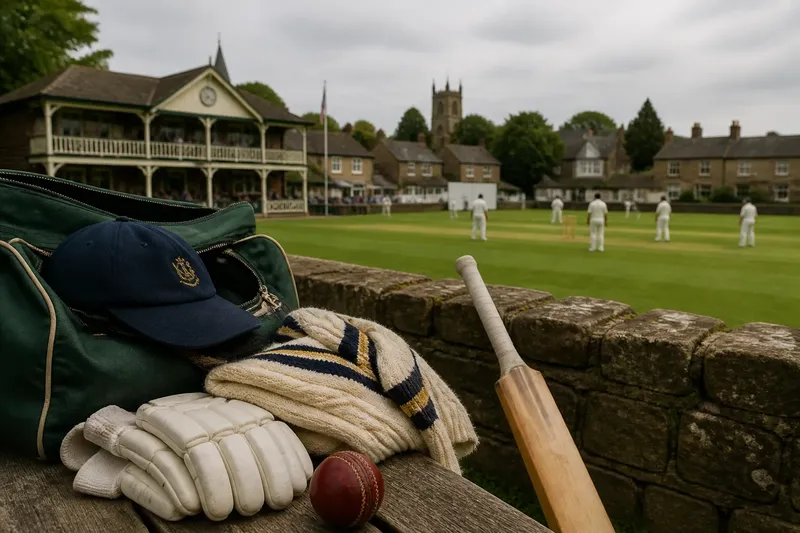
A club team arrives at a neighboring town’s ground with its kit, agrees on the day’s playing arrangements, and takes the field. Cricket’s path from local match to international fixture began in that practical world of clubs and agreed rules, then widened through travel and organized competition.
Cricket’s early history
Cricket developed in England over a long period, and its earliest history is not recorded in a way that supports a single precise starting point. Historians commonly describe it as a bat-and-ball game that took shape in the countryside before clubs and formal rules gave it a more organized public presence. Early local play could vary, so it is safer to describe a gradual development than a sudden invention.
One important marker is the formation of the Marylebone Cricket Club in London in 1787. The club later became closely associated with cricket’s Laws, but it did not create the game from nothing. Its significance lies in the broader shift toward shared rules and institutions that helped teams meet on more consistent terms.
As matches became more organized, players needed common expectations about wickets, dismissals and innings. Rules worked like a shared board for a game: opponents could bring different habits to the ground, yet still understand how the contest was played.
Clubs and common rules
Clubs gave cricket a continuing home. Members could arrange fixtures, maintain equipment and welcome visiting sides across a season rather than gather only for an occasional contest. Clubs also passed along local customs, from preparation and hosting to the way players learned their roles.
Regular competition made consistent rules more useful. If two clubs wanted a result that both would recognize, they needed agreement on how the match was conducted. Cricket’s Laws developed through successive revisions and administration, while local clubs remained the places where many people encountered the game.
Fixtures also encouraged travel. A side might play away in a nearby town and host the same opponents in return. These exchanges made cricket both a sporting contest and a social occasion, connecting communities that shared the game without sharing every local custom.
Travel and local adoption
Cricket traveled through military, commercial and imperial connections, as well as through the movement of workers, officials, students and families. Those routes helped carry the game, but they do not explain its full history. Local players, organizers and spectators determined where cricket took hold, who could participate and what meaning it acquired.
Organized tours made these encounters more visible. A visiting side could play in several places, giving local audiences repeated chances to watch and local teams a chance to arrange matches. Yet a tour did not simply transplant a complete sporting system. Communities adapted the game to their own grounds, resources and social conditions.
Cricket developed in places including Australia, the Caribbean, India, New Zealand and southern Africa, each with distinct histories. Colonial institutions influenced access and recognition in many settings; people who faced exclusion also formed clubs and competitions of their own. The game’s international reach, then, reflects both its movement from England and the choices and efforts of the communities that made it local.
Early international milestones
Named dates and places make the move to international cricket easier to follow. A landmark early fixture took place in Melbourne in 1877, when Australia played England in what is recognized as the first Test match. The match belonged to an emerging pattern of representative contests between established cricketing communities, rather than to a single moment when cricket became global.
Other milestones followed. The first officially recognized Test match between England and South Africa was played in Port Elizabeth in 1889. Australia and England’s Ashes rivalry began after an 1882 match at The Oval in London, later giving their encounters a lasting shared identity. These examples show how international cricket developed through particular teams, venues and repeated fixtures.
Touring sides linked those major contests to a wider network of matches. A team could play representative opposition in a formal international fixture and meet other clubs or regional sides during the same tour. The tour connected the games by travel; each match’s status depended on how it was organized and recognized.
International fixture status
A match is not international simply because the teams have traveled far or represent different communities. Its status depends on recognition by the relevant cricket authorities and on the match being organized as a representative contest. Organizers also need to settle practical matters such as the venue, date, playing conditions and eligible players.
That distinction helps when reading a calendar. A club match can matter deeply to its players and supporters without being an international. A recognized international fixture sits within a formal structure, even though the meaning of the game may extend well beyond that structure.
Formats and match rhythms
Cricket formats shape how a match fits into a schedule and how its contest unfolds. Test cricket can extend across multiple days, leaving room for strategies to change as play continues. One Day Internationals and Twenty20 Internationals place the contest within a shorter, defined format. Each has its own rules and rhythms, but format alone does not determine whether a game is international, domestic or local.
Different formats serve different purposes rather than simply replacing one another. A club may choose a format that suits its regular playing day; an international organizer may select one for a series or tournament. To understand why a fixture matters, consider its format alongside the teams, organizer and competition in which it appears.
Tours and competitions
A tour connects matches through a team’s visit to another place. A competition connects teams through an organized structure, such as a series, league or tournament. These ideas can overlap: a tour may include a series, but travel alone does not make a match part of a tournament.
Imagine a club invites a visiting side for several matches, then enters a regional league with nearby clubs. The starting point is one club hosting a team from elsewhere and also competing in its local league. The club schedules the visitors’ games as part of an exchange, then plays league fixtures under the league’s rules; the resulting distinction is clear on the calendar, where the tour dates belong to the visit and the league matches count toward the competition standings.
Questions about cricket’s spread?
Did cricket spread only through empire?
No. Imperial connections helped carry cricket, but local clubs, players, schools and spectators shaped its development in each place. Their work created distinct cricket cultures, often amid unequal access to grounds and recognition.
Why did common rules matter?
Shared rules let teams from different communities play without negotiating every detail from the beginning. They also helped organizers arrange repeat fixtures and competitions that participants could recognize.
What makes a match an international?
Formal recognition and organization matter more than distance traveled or crowd size. Relevant cricket authorities arrange the representative contest under agreed conditions.
Are tours and tournaments the same?
No. A tour is a sequence of matches tied to a team’s visit, while a tournament follows a defined competition structure. A tour can include tournament or series play, but the journey itself does not make every match a tournament fixture.
Reading a match calendar
When you look at a fixture, check the teams, the organizer, the format and the competition or tour it belongs to. If the calendar identifies a recognized representative match, it is an international; if it lists a club or regional contest, its importance may be local or domestic instead. Those details explain what the result counts toward and how the match fits into a larger schedule.
Cricket’s path from local contests to international fixtures was gradual, shaped by clubs, common rules, travel and communities that made the game their own. The next time a calendar lists a touring side, note not only where it is playing but also which matches carry formal status: one journey can contain several kinds of cricket, each with a different purpose.